




This site uses cookies. For more information, please see our Privacy Policy.
AGREE
Languages
(
)
繁中
EN
简中
CLOSE
Home
About us
Back
Introduction of the Foundation
Director of Board
Consultant
Foundation team
Research Centers
Back
Adjunct Research Fellow
e-Health and Law Research Center
Intelligent Transportation and Law Research Center
Financial Technology and Law Research Center
Activities
Back
Lecture
Conference
News
Media Reports
Views of Experts
Research Result
Contact us
Back
Contact Information
The Donation Information
Languages
(
)
Back
繁體中文
English
简体中文
Copyright © 2017
MIRACLE
Views of Experts
Home
Views of Experts
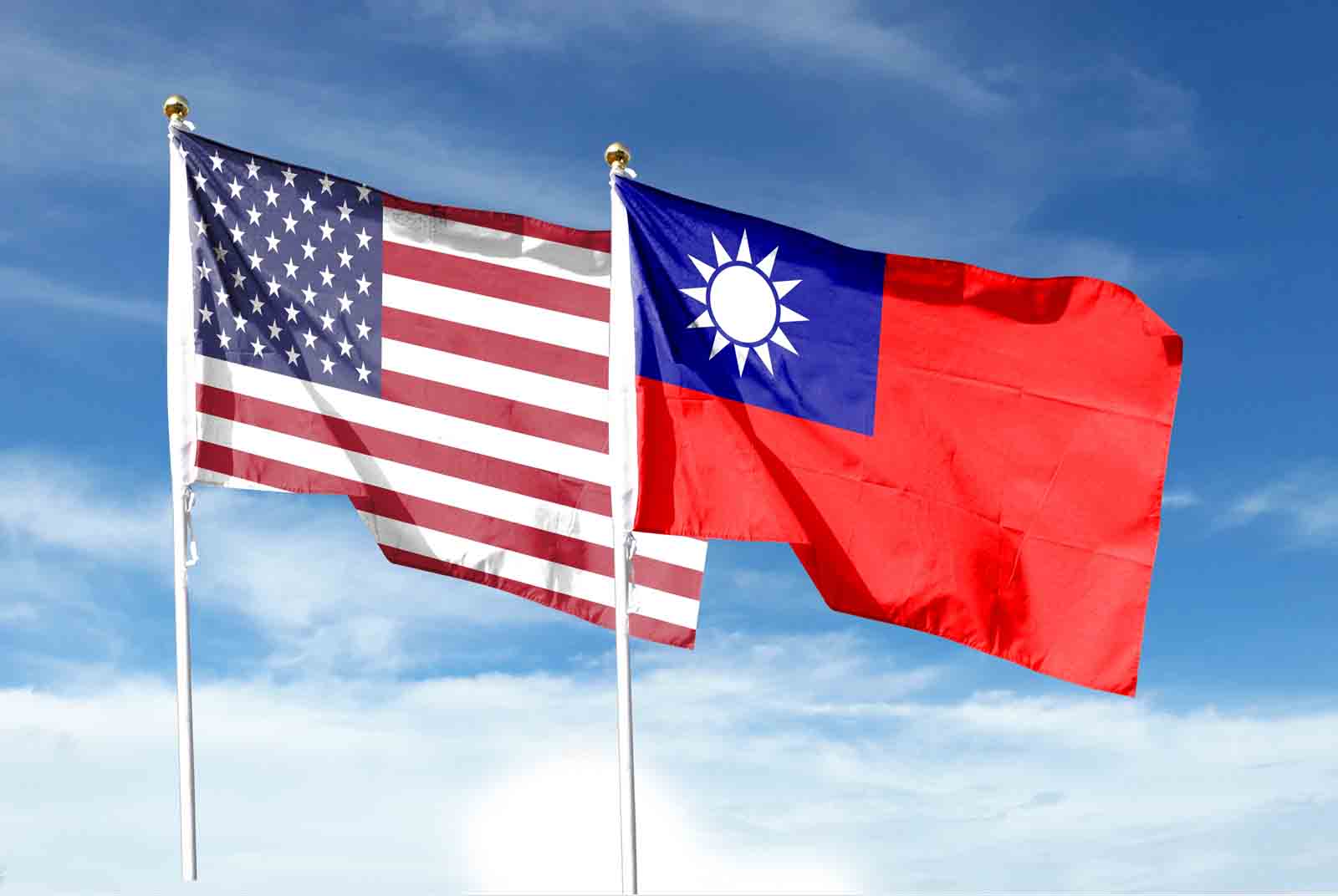
Scholar Warns: If TSMC’s US Investment Meets "This Condition," Its Status as Taiwan's "Silicon Shield" Could Be Shaken
Following TSMC's announcement of an increased investment of $100 billion in the United States,
Chu Chen-Tso
, a visiting scholar at Stanford University and Secretary-General of the Internationalfor Artificial Intelligence and Law Research Foundation , stated today that the narrative of "TSMC becoming 'USMC'" is not merely a simple supply chain shift. Rather, it is a critical issue concerning Taiwan's overall competitiveness and national security.
2025 / 03
08
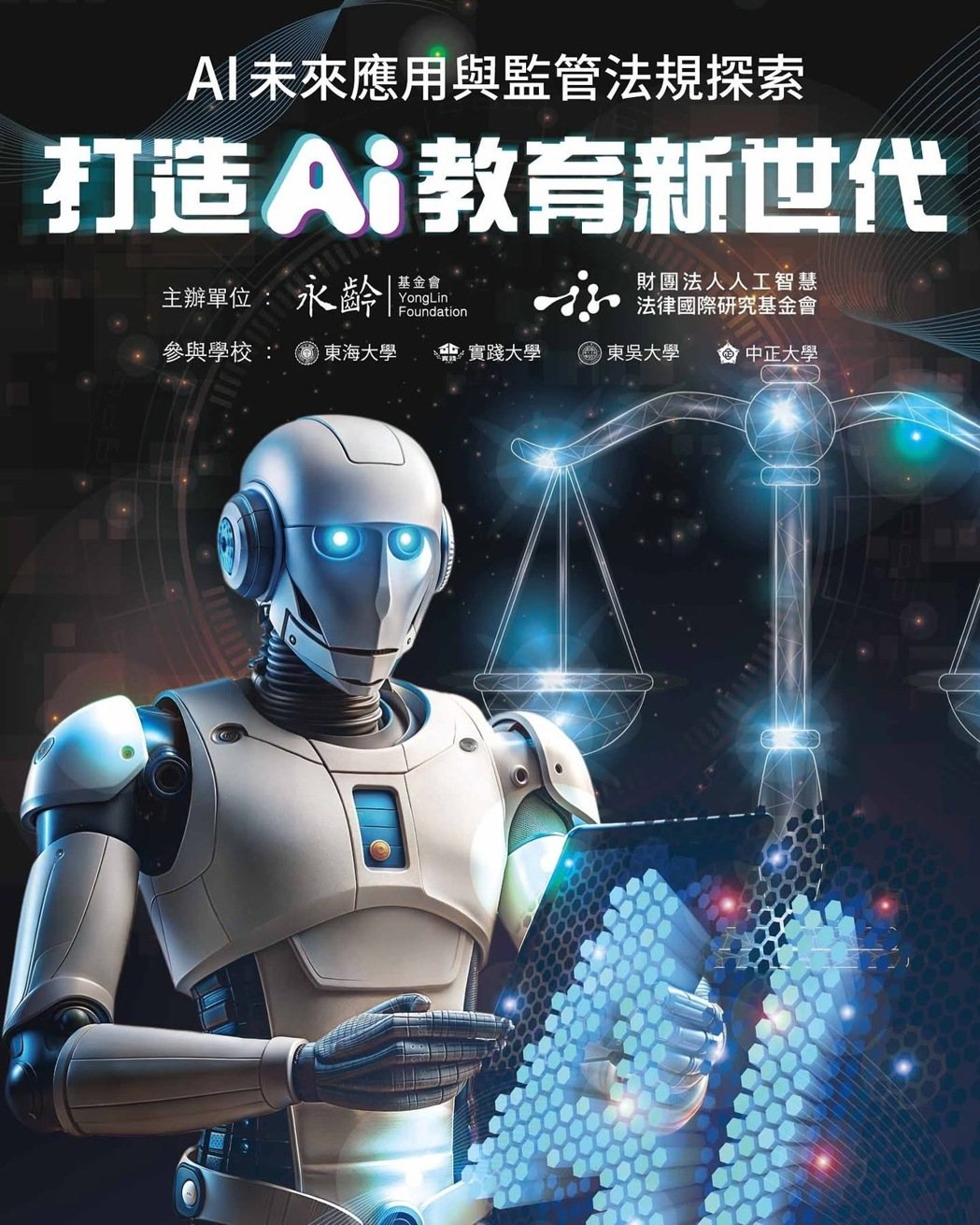
Yong Lin Education Foundation and International Research Foundation for AI Law Partner with Four Major Universities to Promote AI Innovation and Regulatory Courses; Over 40 Experts Assembled
With the rapid development of artificial intelligence technology, the demand for talent equipped with AI skills in the future workplace has increased significantly, making the importance of receiving AI education during academic studies self-evident. Although Taiwan currently has professional faculty teaching AI-related courses, the accessibility of these courses remains limited and unable to meet the growing demand for learning.
2025 / 03
02
Global Perspectives on Taiwan's AI Basic Law: Balancing Innovation and Regulation
Since OpenAI launched ChatGPT in 2022, the world has formally entered the era of general artificial intelligence (AI). Although current AI technology lacks consciousness and personality—serving primarily as a high-level tool to bring efficiency and convenience to human society—it has also introduced a host of potential risks and concerns, including privacy violations, bias, discrimination, and the possibility of AI spiraling out of control. To address these emerging challenges, nations are accelerating the formulation of AI regulations.
2025 / 02
23
Taiwan Pursues "Sovereign AI" Strategy: Experts Urge Government to Adopt US-Style Governance Frameworks to Realize "AI Island" Vision
Promoting Taiwan as an "AI Island" and strengthening "Sovereign AI" have become critical directions for the government's development strategy.
2025 / 02
11
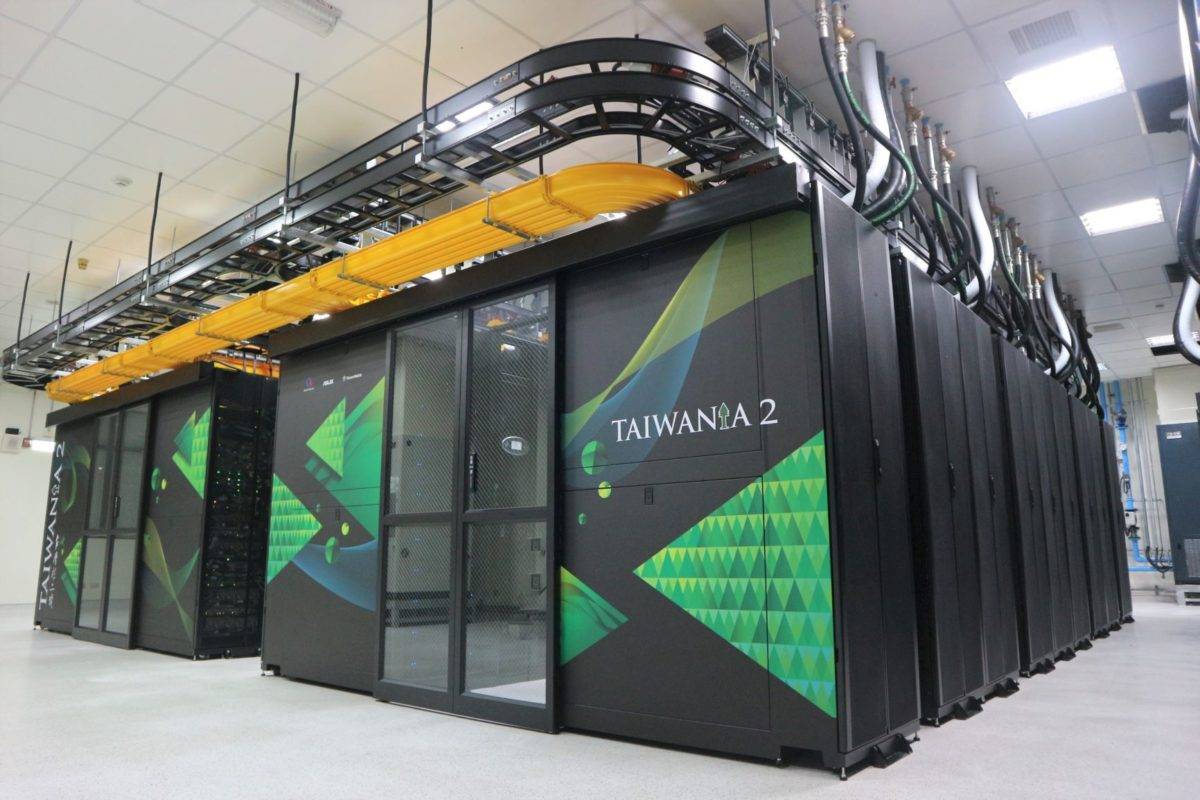
Taiwan Builds New High-Speed Computing Host to Bolster Sovereign AI; Amendments to AI Basic Law and Copyright Act in Focus
The draft of the "Artificial Intelligence Basic Law" has been submitted to the Executive Yuan for review. Lin Fa-cheng, Deputy Minister of the National Science and Technology Council (NSTC), stated at a press conference following the cabinet meeting that the draft will be revised based on the review process.
2025 / 02
08
South Korea Passes World’s Second "AI Basic Law" to Boost National Competitiveness
On December 26, 2024, the South Korean National Assembly passed the
"Basic Act on the Development of Artificial Intelligence and the Establishment of Trust"
(hereinafter referred to as the "Korean AI Basic Law"). This legislation makes South Korea the second jurisdiction in the world to enact a dedicated AI law, following the passage of the European Union's AI Act (EU AIA).
2025 / 02
07
The AI Wave Sweeps In! Is the Examination Yuan Ready to Launch?
n response to the surging wave of artificial intelligence, the Examination Yuan is aggressively pursuing digital transformation. By leveraging accumulated data resources and combining them with robust data governance and technical foundations, the Yuan aims to deepen AI applications, hoping that AI development will bring about a transformative opportunity for the utilization of civil service manpower.
2025 / 01
22
The Future of AI and Employment Becomes Clearer; Study: AI to Eliminate 90 Million Jobs in Five Years
The World Economic Forum (WEF) recently released its
Future of Jobs Report 2025
. Based on a survey of over 1,000 leading global enterprises—covering more than 14 million workers across 20 industries in 55 economies—the report unveils employment and skills trends for the next five years, as well as the strategies companies are formulating for the employment landscape of 2030.
2025 / 01
10
1
2
3
4
5
6
Quick Menu
1
2
3
4
5
6